01Getting Started3 min read
E-Stim for Beginners
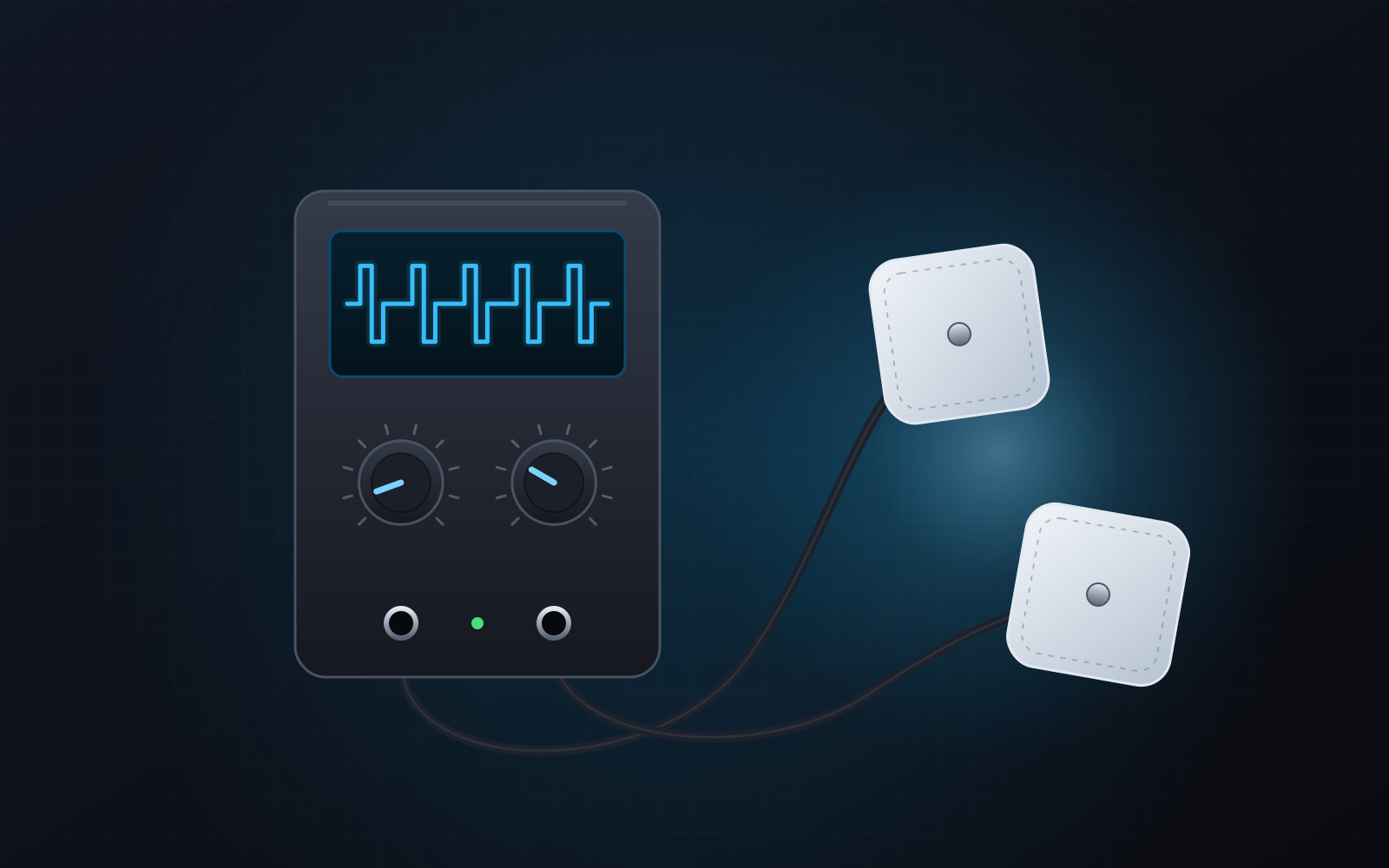
New to e-stim? What it is, what it feels like, the kit you need, and the handful of rules to learn before you switch anything on.
Read articleEverything you need to know about e-stim: what it is and how the units work, choosing your first one, electrodes, cables and gel, what the settings do, how to use it safely, looking after your kit, and where it all came from.
18 articles shown
New to e-stim? What it is, what it feels like, the kit you need, and the handful of rules to learn before you switch anything on.
Read article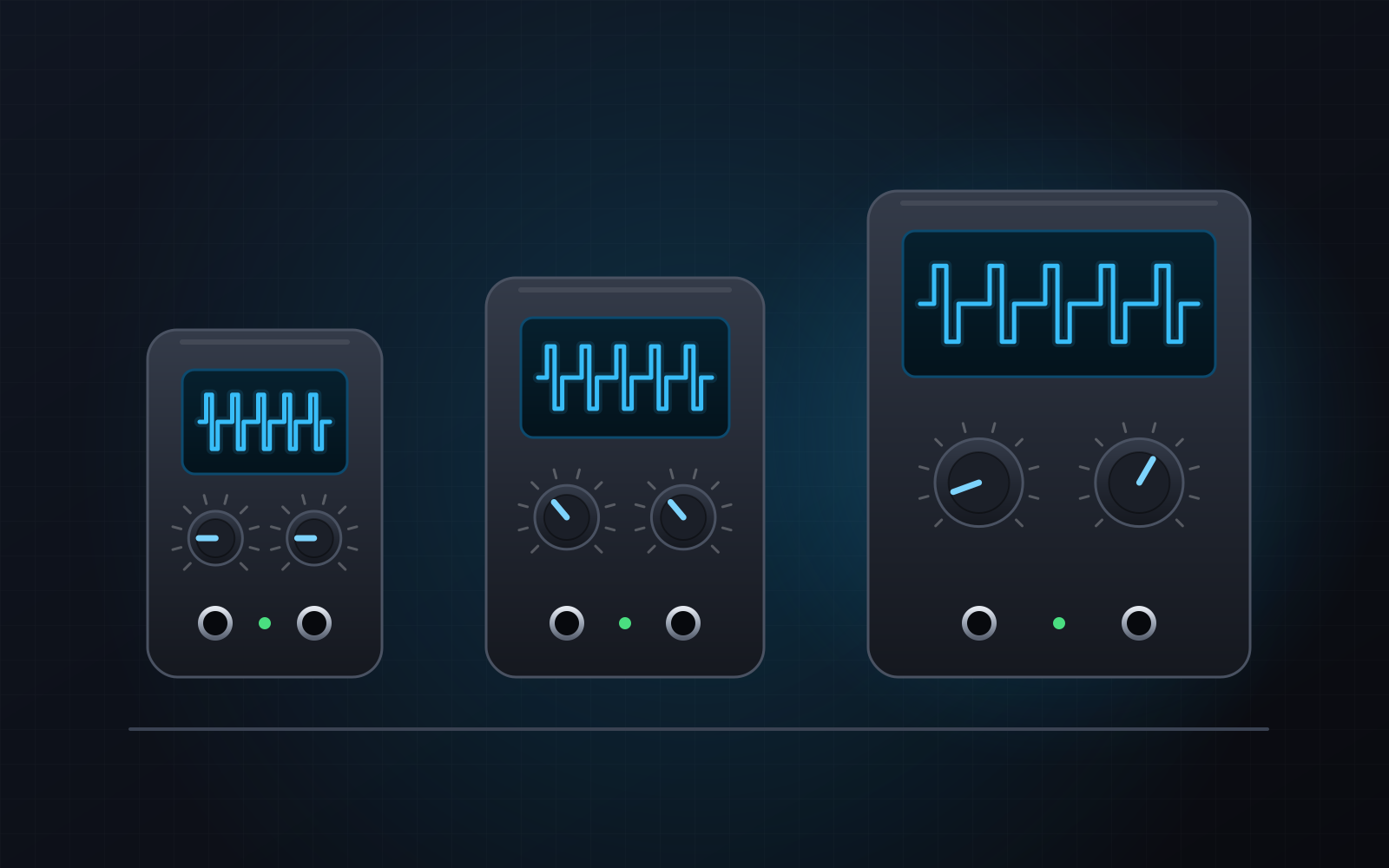
Three kinds of unit make very similar pulses for different jobs. How TENS, EMS and purpose-made e-stim units compare, and which suits what.
Read article
What to look for in a first unit: fine level control, battery power, standard connectors and clear instructions. Plus the things worth avoiding.
Read article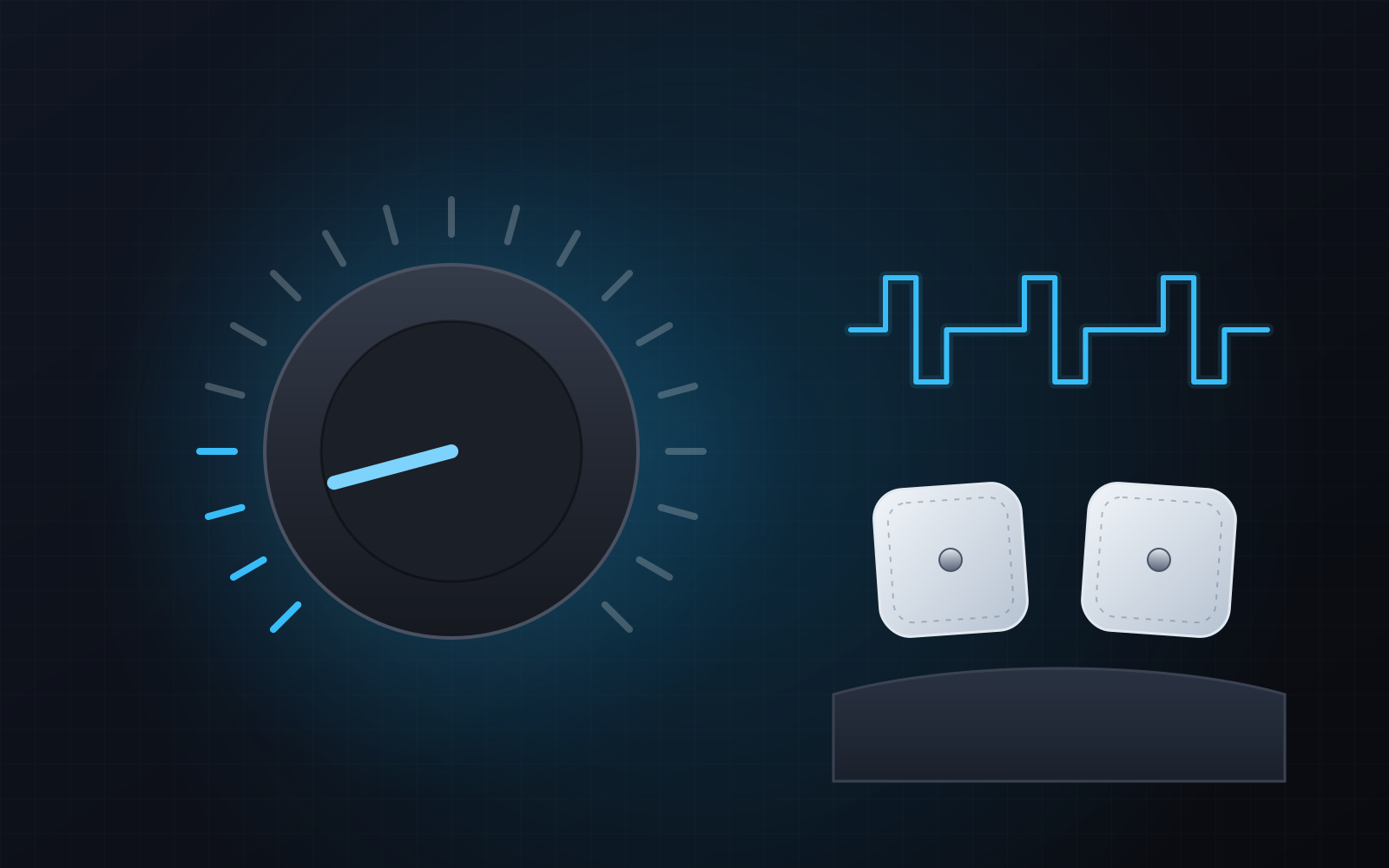
A slow, step-by-step first try with two sticky pads on the thigh: setting up, bringing the level up, changing settings and finishing properly.
Read article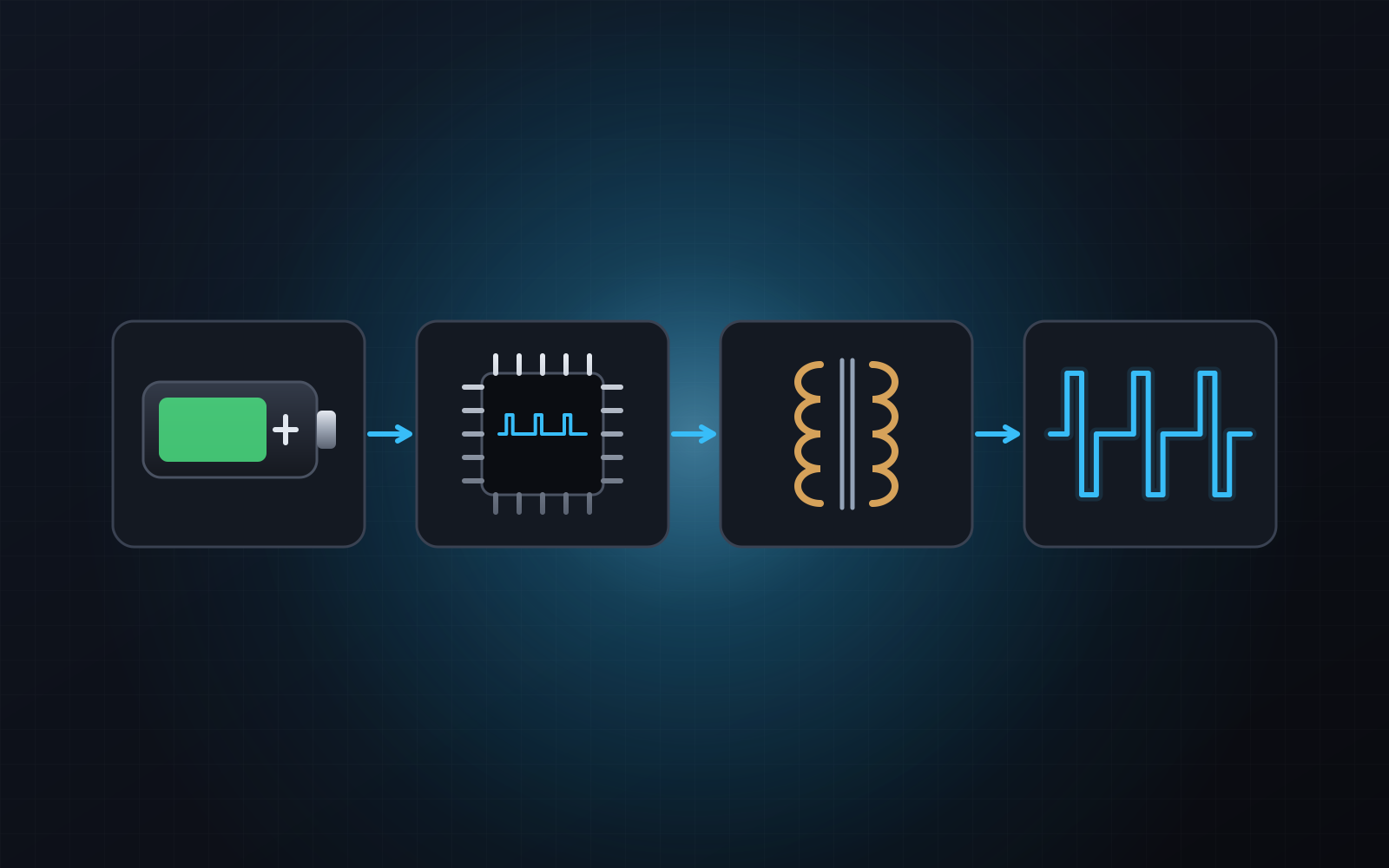
Inside the box in plain terms: the battery, the pulse generator, the output stage and the level control, and why your skin is part of the circuit.
Read article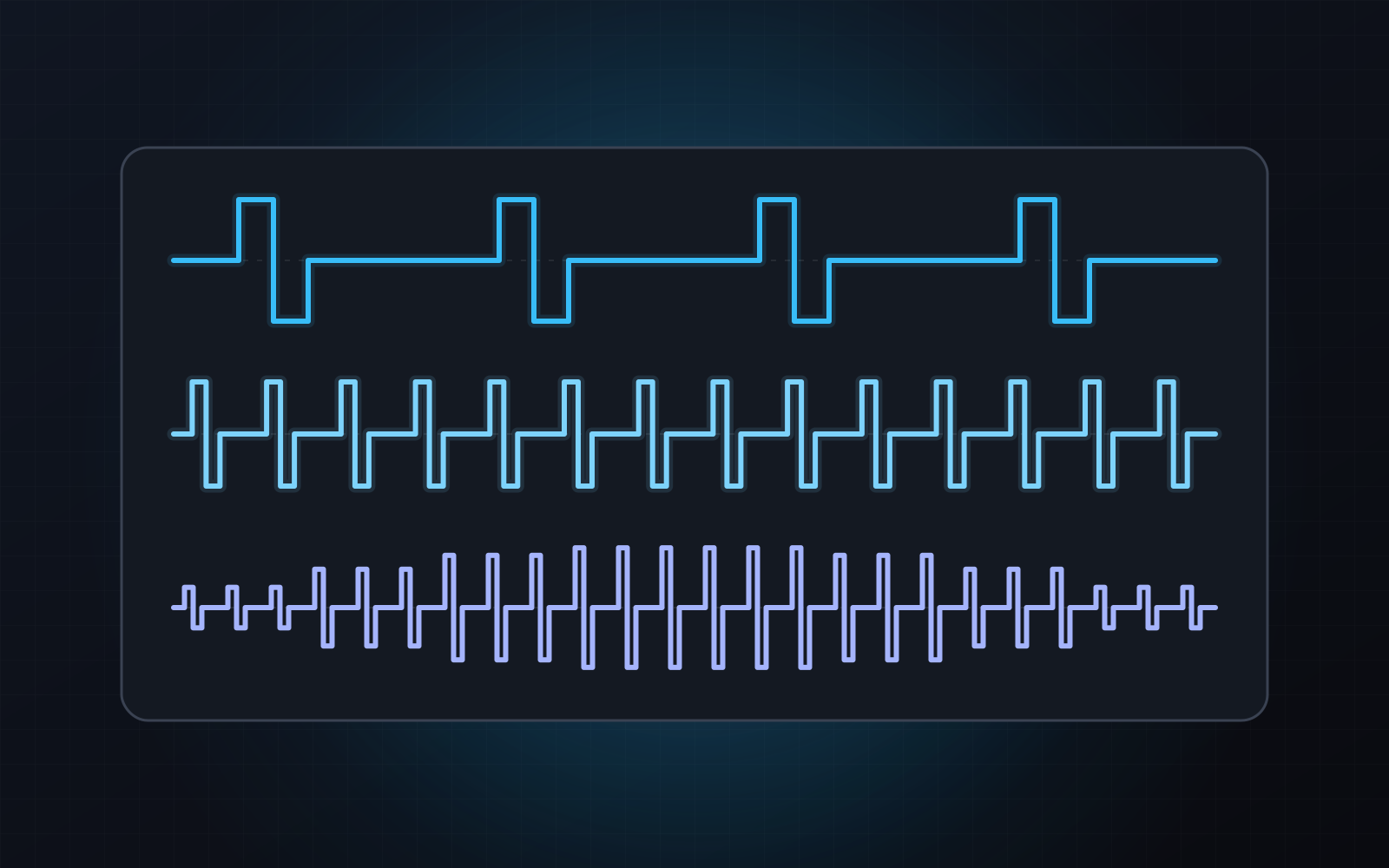
What the settings on an e-stim unit actually change: level, pulse rate, pulse width, pulse shape and patterns, and how each one alters the feel.
Read article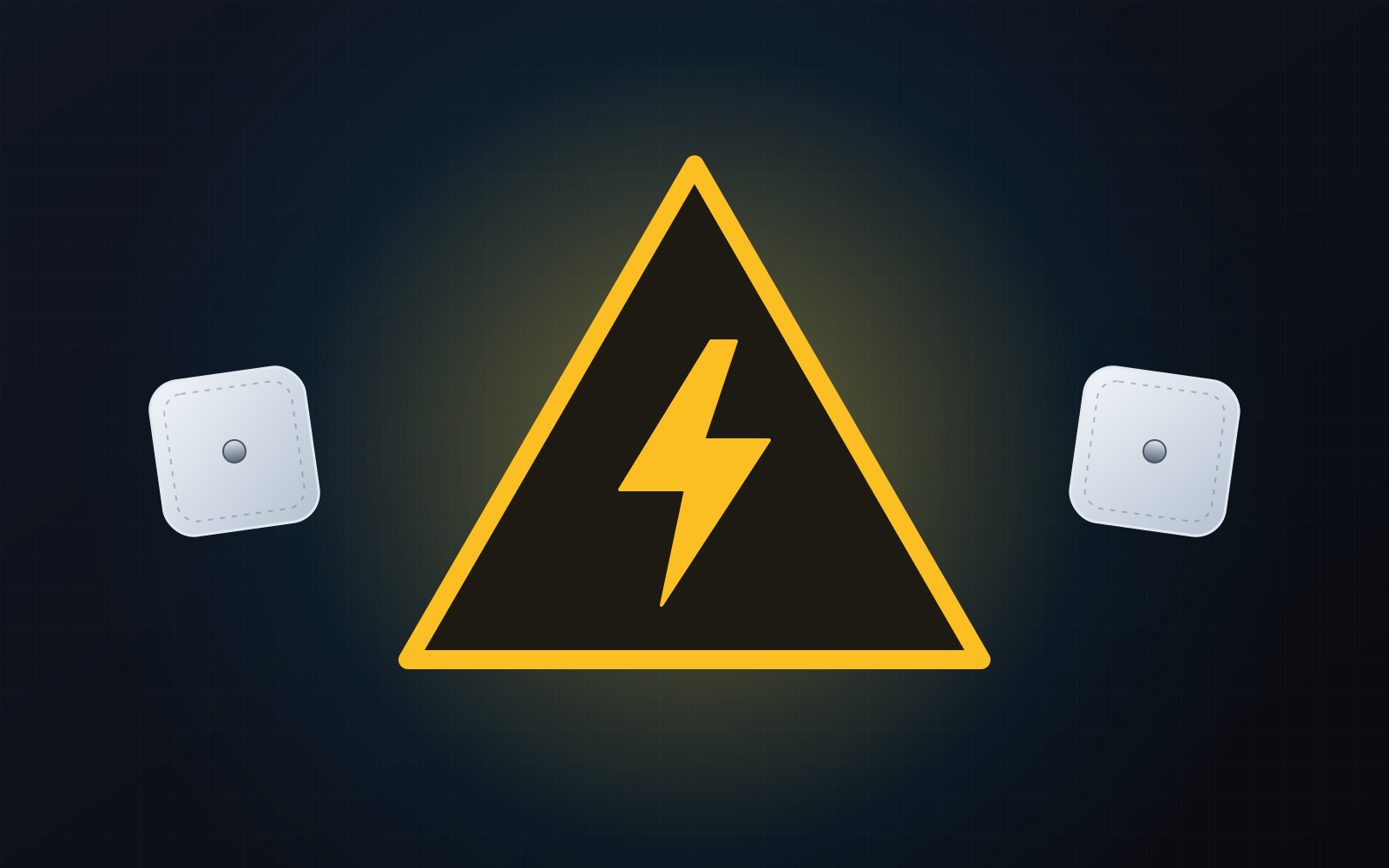
The main hazards of e-stim and the habits that keep it safe: who should not use it, where current must never go, equipment rules and when to stop.
Read article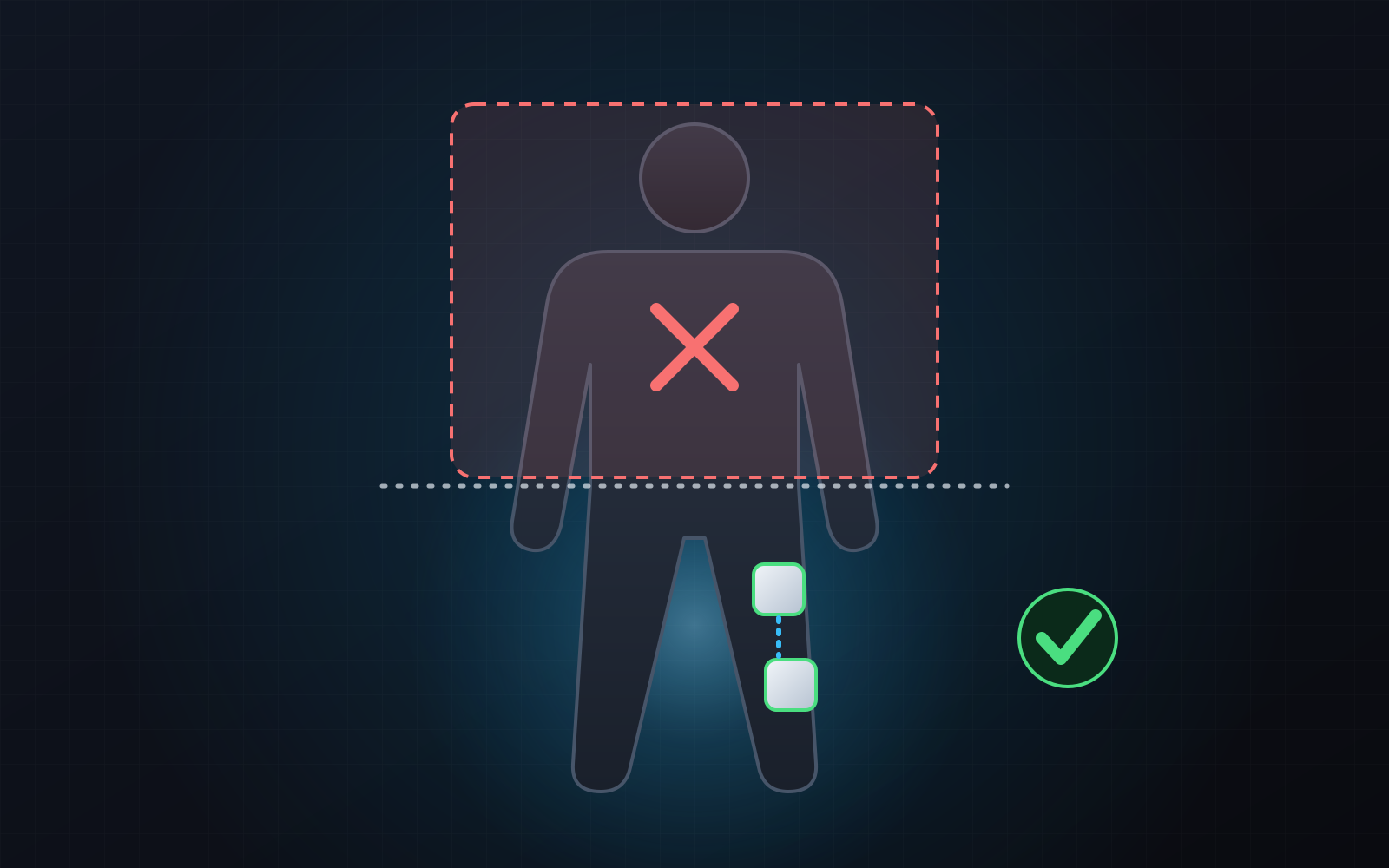
Current flows through whatever lies between two electrodes. How to think about the path it takes, the places to avoid and why below the waist is the rule.
Read article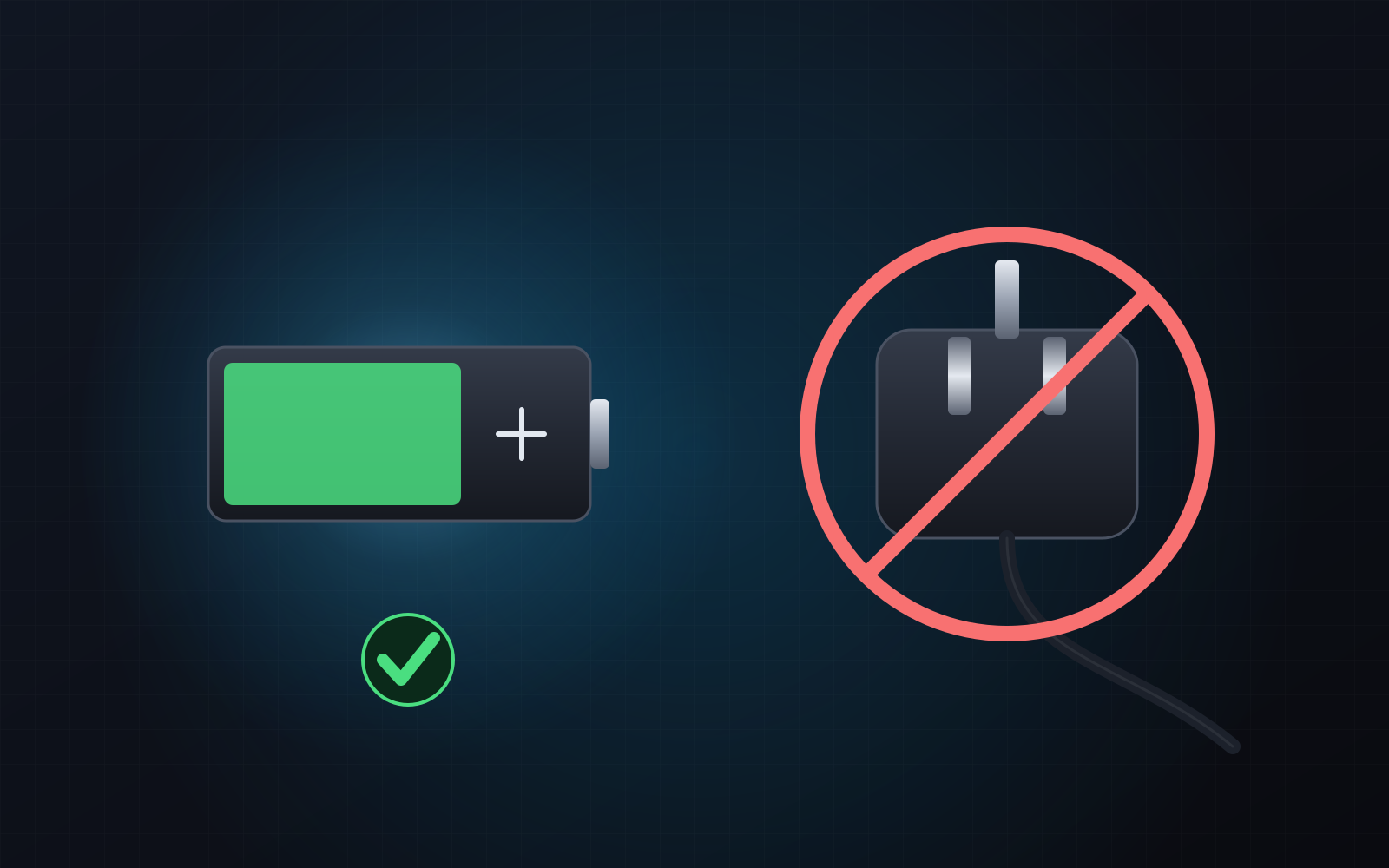
Why e-stim units run on batteries, what isolation means, the risk hidden in chargers and connected devices, and how to look after the batteries themselves.
Read article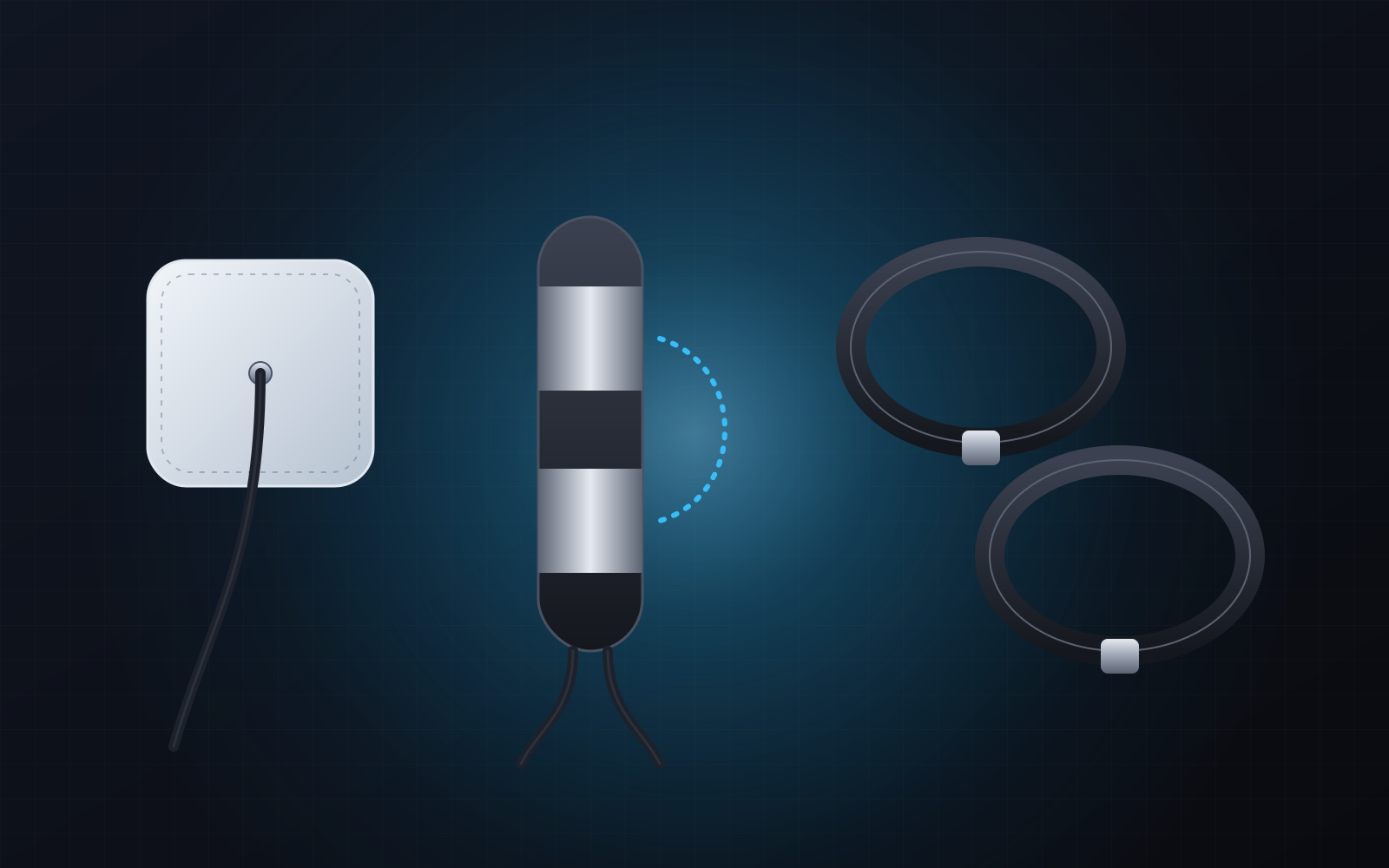
The electrode is the part that touches you. Sticky pads, conductive rubber, metal and fabric electrodes, and what bipolar and monopolar really mean.
Read article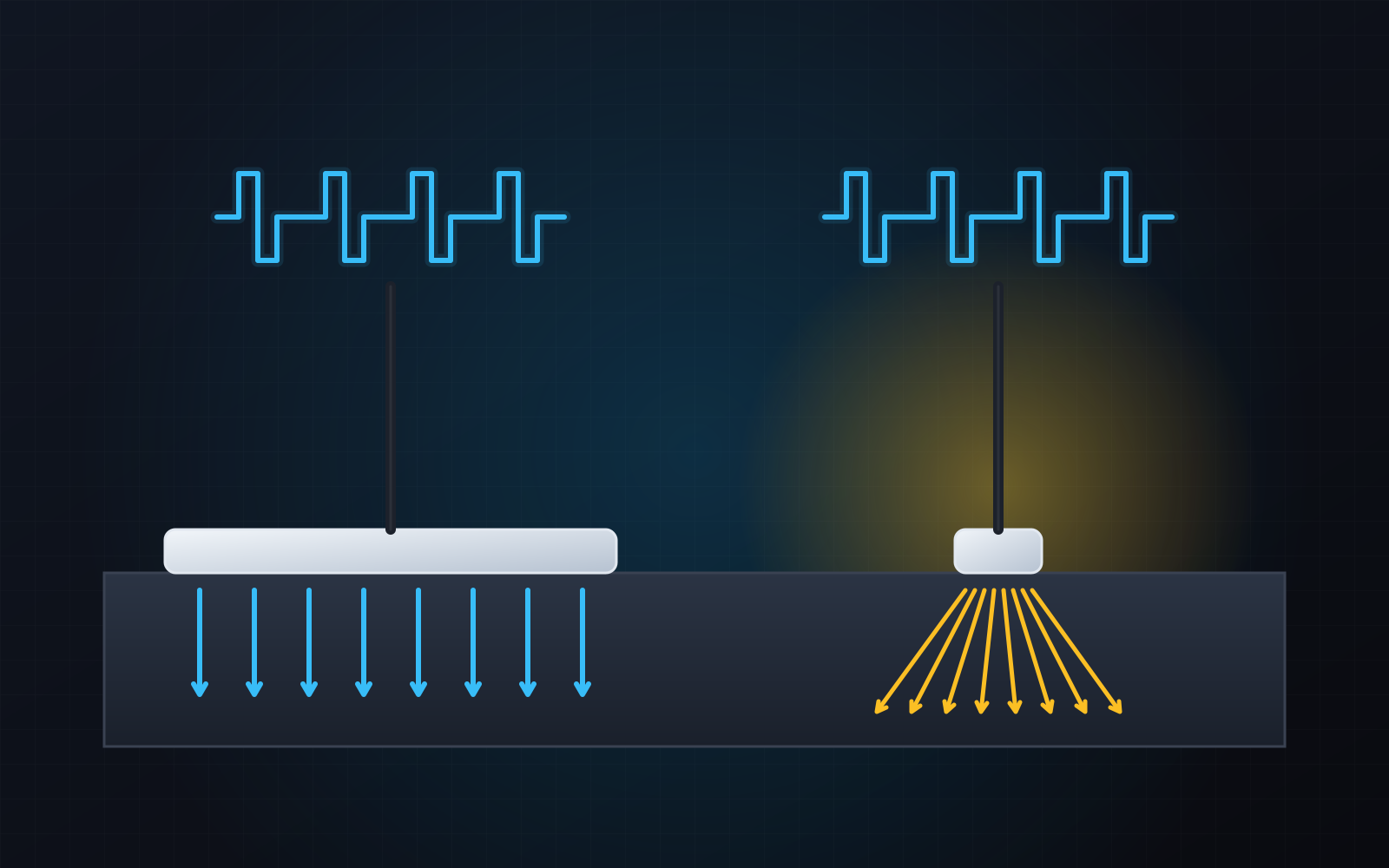
Why a small electrode stings and a large one hums at the same setting. Current density is the idea behind most e-stim burns and most ways to prevent them.
Read article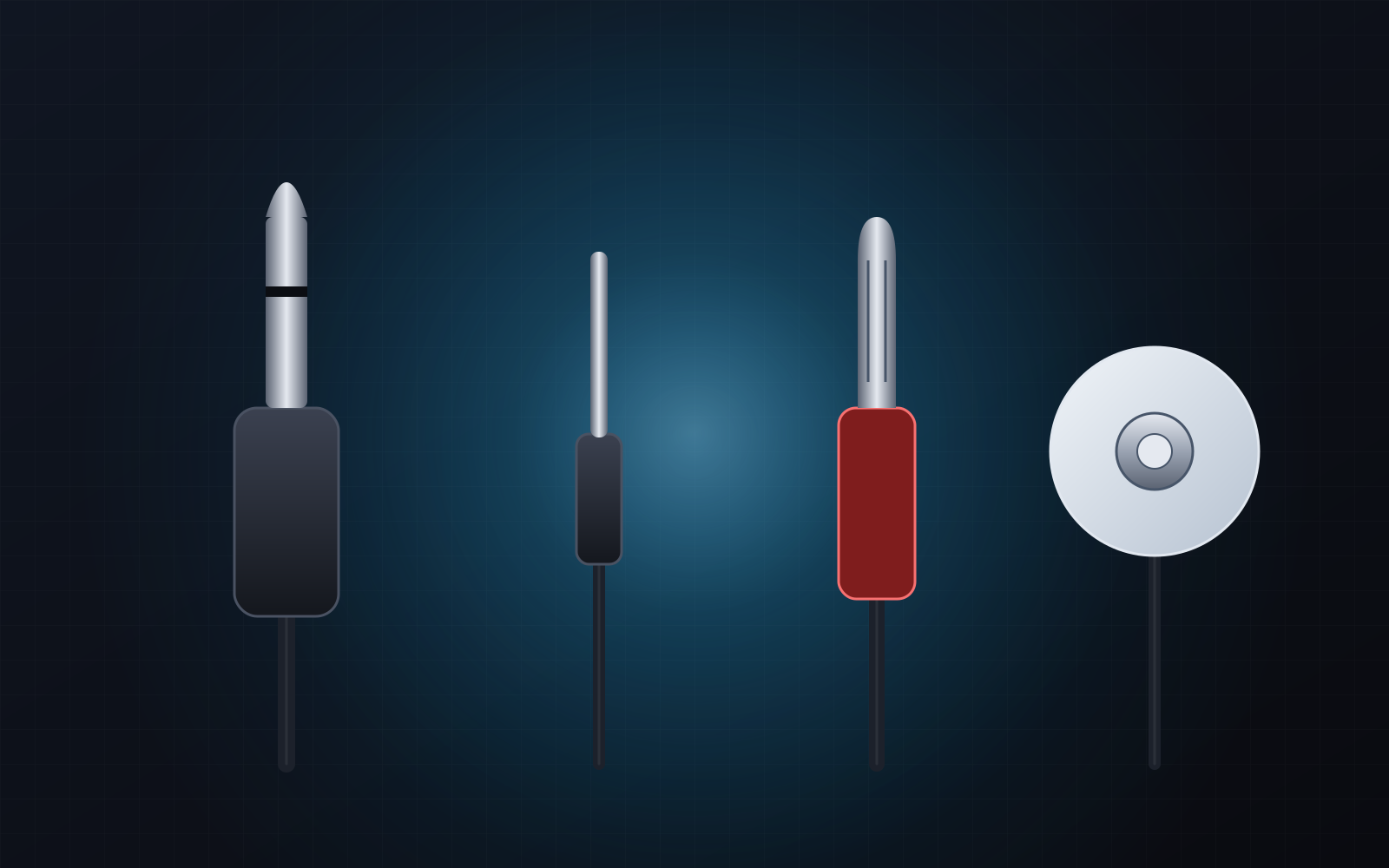
The plugs and sockets you will meet on e-stim units and electrodes (jack plugs, 2 mm pins, 4 mm banana plugs and snaps), plus adapters and lead care.
Read article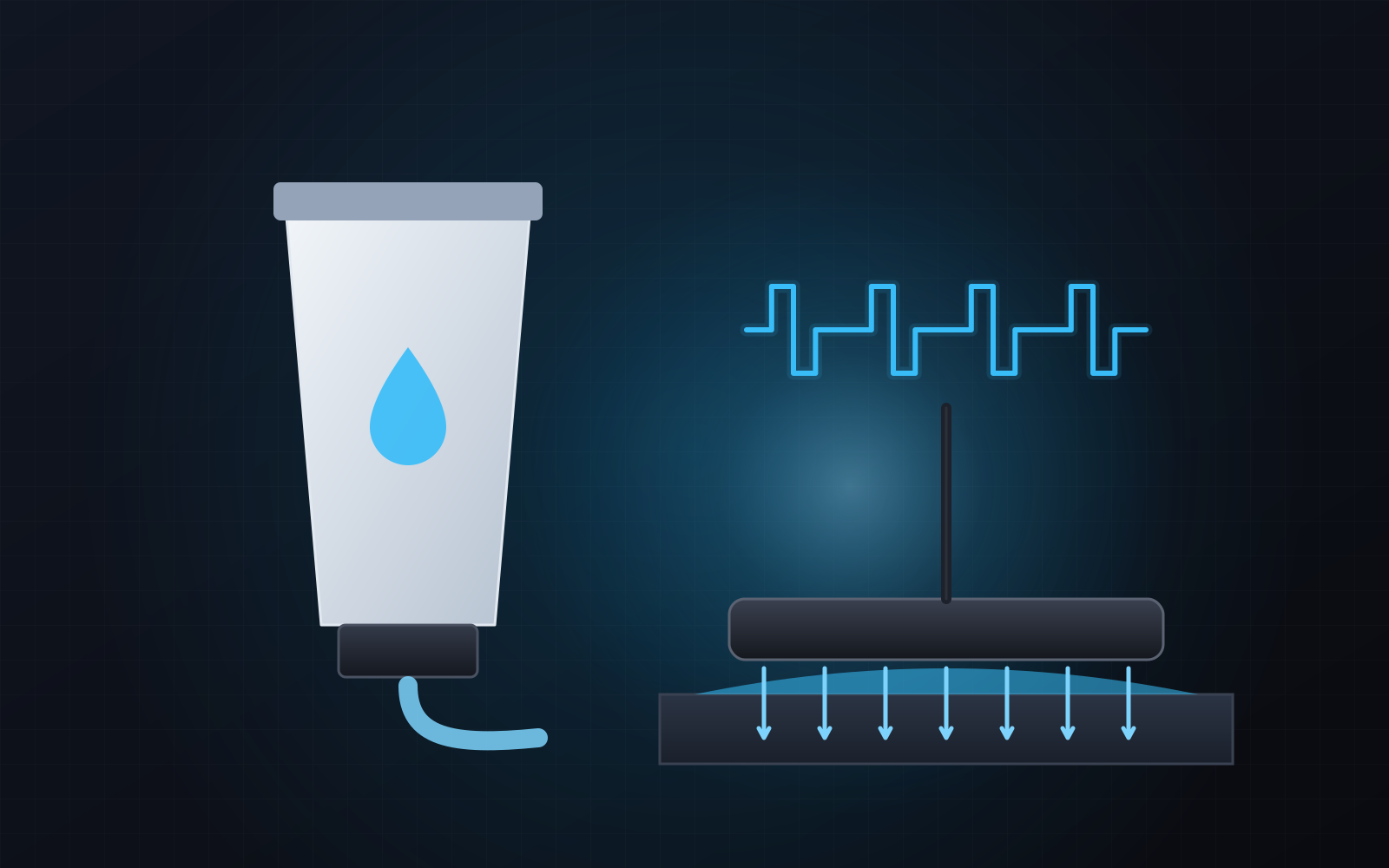
What conductive gel does, which electrodes need it, why water-based works and silicone and oil do not, and how to tell when it has dried out.
Read article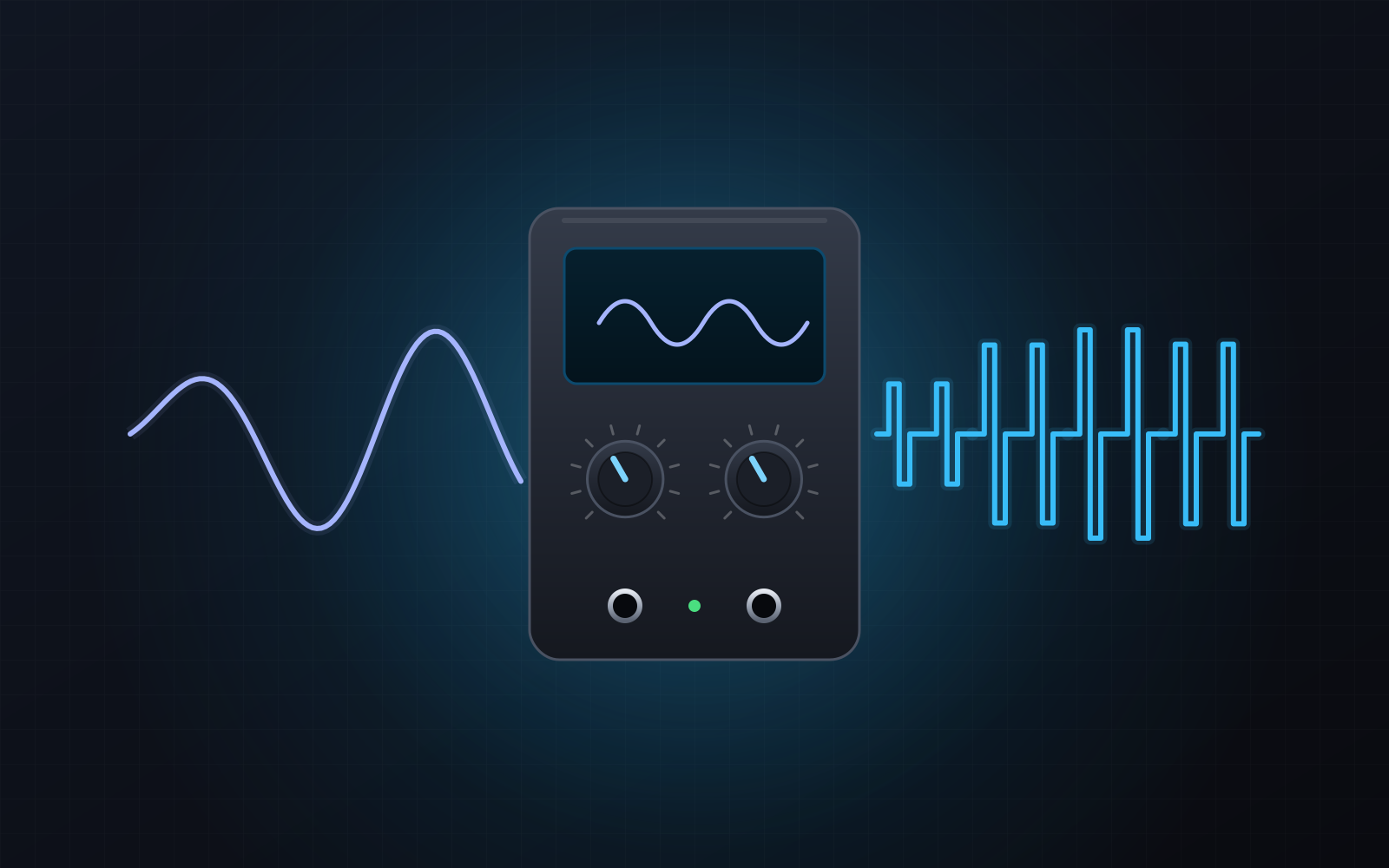
How sound can shape an e-stim output, the difference between sound-triggered and sound-driven units, and the isolation and volume rules that keep it safe.
Read article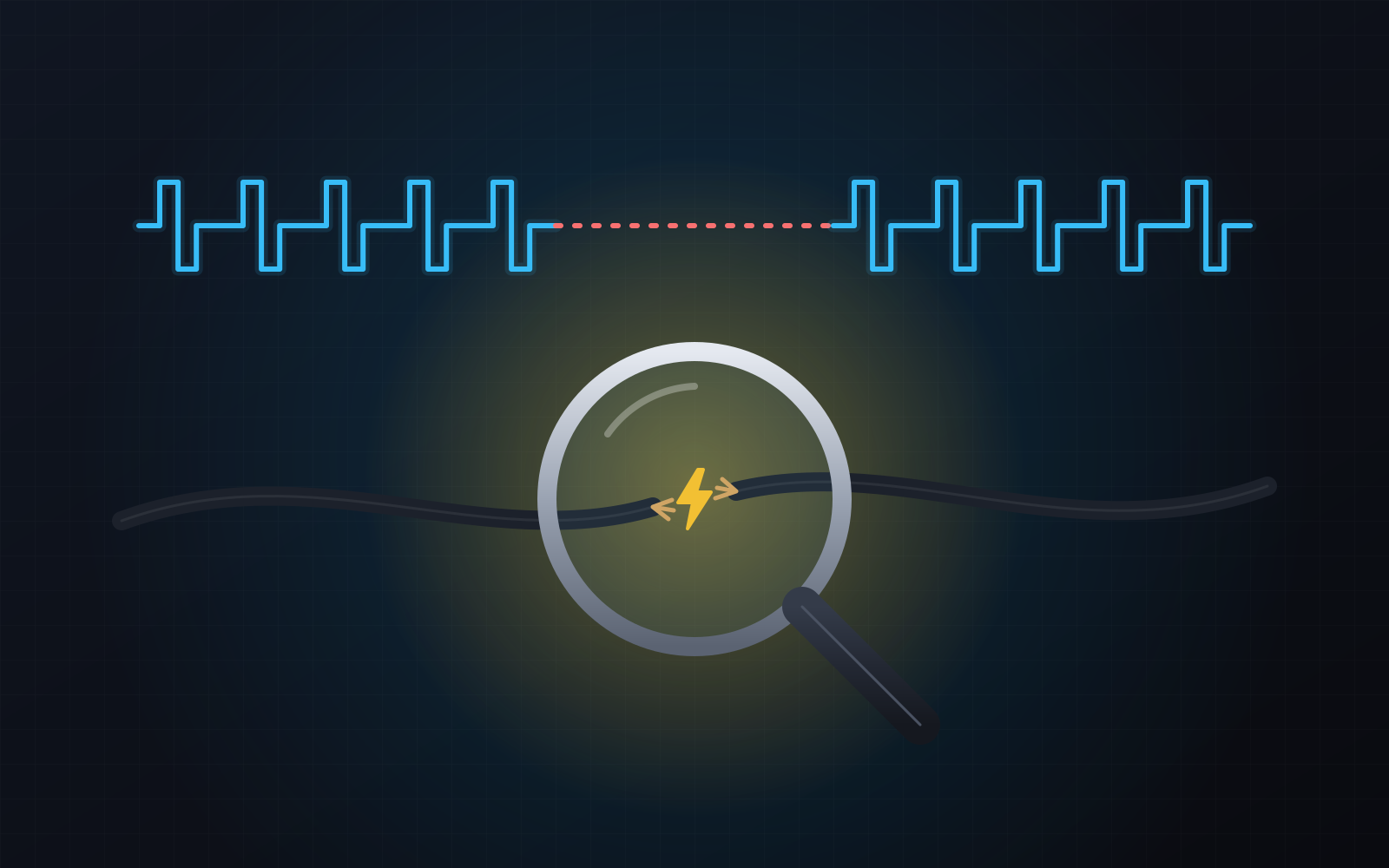
No sensation, stinging, sudden jolts, one side stronger than the other, or a unit that cuts out. The likely causes, in the order worth checking.
Read article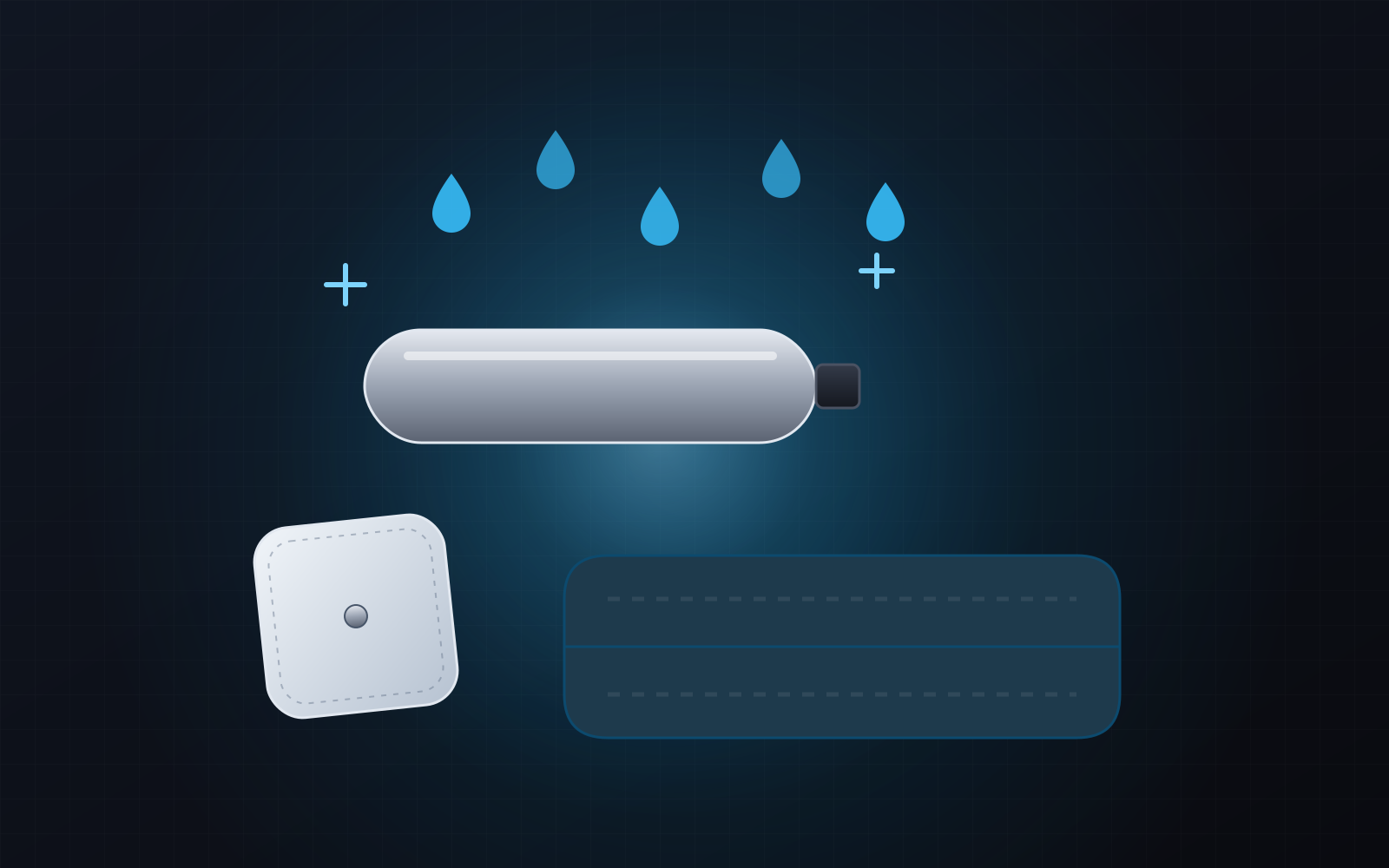
How to clean and store pads, rubber and metal electrodes, leads and the unit itself, and how to tell when something is worn out and should be replaced.
Read article
Plain-English meanings for the words you will keep meeting in e-stim, from amplitude and biphasic to pulse width, stereostim and TENS.
Read article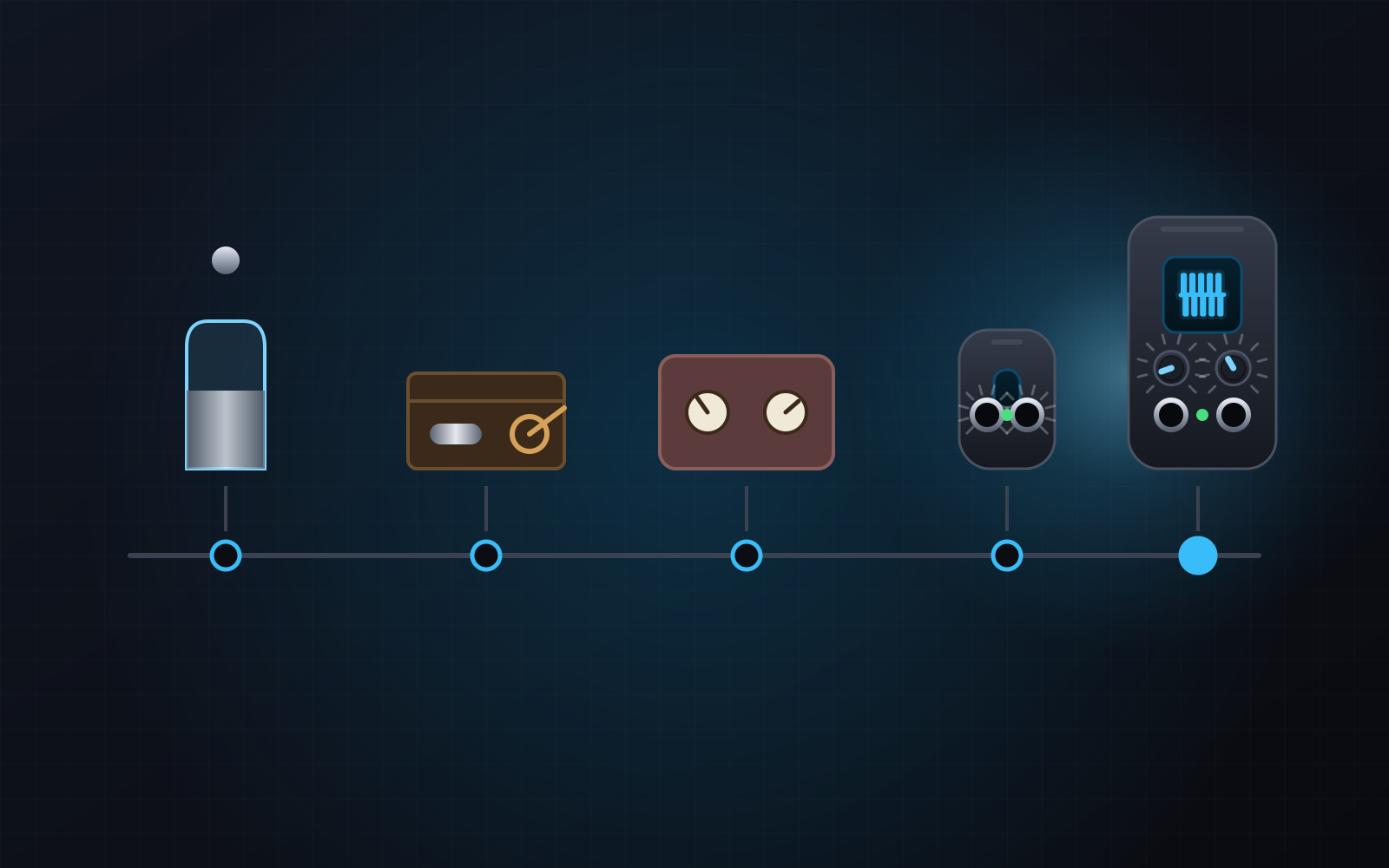
From eighteenth-century parlour shocks and Victorian electric belts to TENS machines, the first purpose-made power boxes and the digital units of today.
Read articleNew info articles, guides, collection notes, and build write-ups are added to the RSS feed as they're published. Add it to any feed reader to see new posts as they appear.